Should I Rest or Keep Moving? The Physiotherapy Truth About Recovery and Exercise
November 7, 2025
If you’ve been injured or are dealing with low back pain, one of the first questions you might ask is: should I rest or keep moving? It’s a common concern we hear from patients at Achieve Health Physiotherapy in Solihull and Birmingham and the answer might surprise you. While rest can have its place, research increasingly shows that safe, guided movement is the key to faster, more complete recovery.
Why Complete Rest Can Slow You Down
When you experience pain after an injury, your instinct may be to stop moving altogether. But total rest can actually increase stiffness, delay tissue healing, and reduce your overall function. At our Achieve Health clinics we often see that prolonged inactivity can lead to muscle weakness, joint stiffness, and even more pain in the long run.
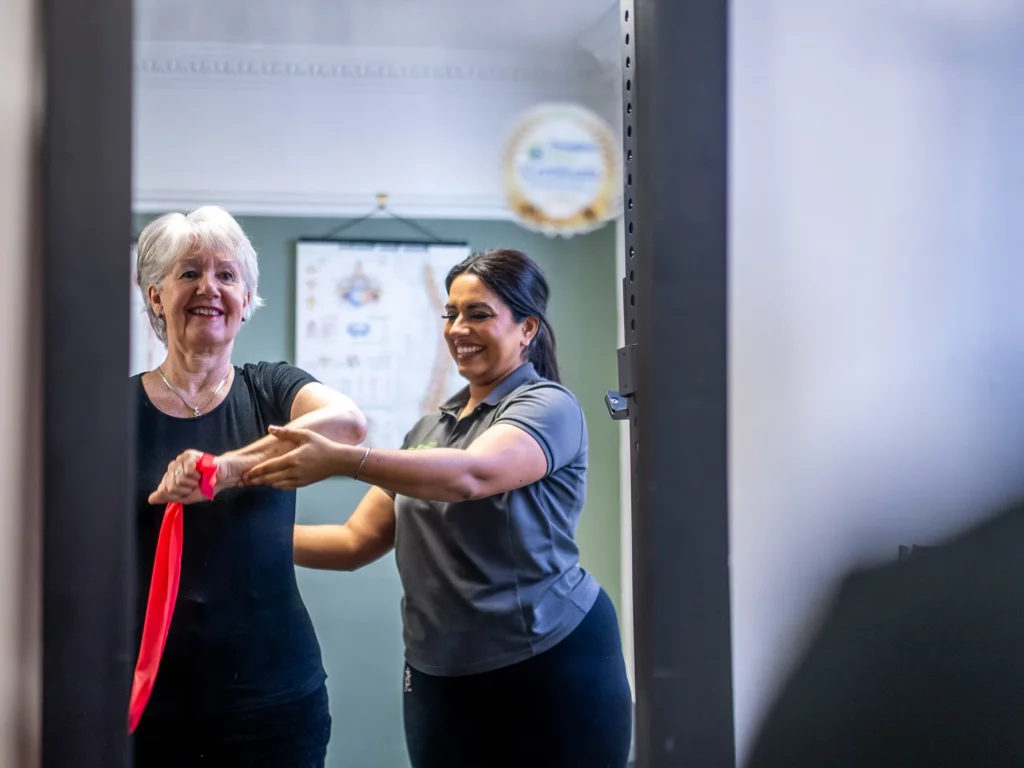
Instead of avoiding movement, physiotherapists recommend a tailored active recovery plan that keeps blood flow and mobility going without stressing the injured area.
How Gentle Movement Supports Recovery
Movement helps nourish joints, stimulate healing, and maintain strength. Under the guidance of a qualified physiotherapist, specific low-impact exercises can: • Reduce inflammation and stiffness • Boost circulation and nutrient delivery to tissues • Retrain correct movement patterns • Prevent future injuries At Achieve Health Solihull and Birmingham our physiotherapists use evidence-based rehabilitation programs built around safe, progressive movement. Every plan is designed to support your unique injury, tolerance, and goals—whether you’re recovering from back pain, a sports strain, or post-surgery rehabilitation.
When Rest Is Still Important
There are times when short-term rest is essential, such as immediately after an acute injury, severe swelling, or when pain is sharp and intense. Rest gives tissues time to start healing, especially within the first 24–48 hours. After that, your physiotherapist will usually recommend a gradual return to movement through tailored exercises.
Many people look online for “the best rehab exercise” and try commonly recommended moves like squats for knee pain, even when it hurts to perform them. If an exercise causes pain—such as trying to squat through sharp knee discomfort—it’s likely not appropriate for your current injury. Persisting with painful exercises can actually worsen joint irritation, inhibit muscles around the knee, and lead to poor movement patterns or compensations that may slow recovery or cause further harm.
If you find that a rehab exercise increases your pain, it’s a strong signal that your body needs a different approach. You might have underlying issues like swelling, muscle inhibition, or compensation. In these cases, consulting with a physiotherapist for assessment and individualized treatment is the safest choice. Safe rehab should always progress within a pain-free or tolerable range to protect your joint health and help you heal optimally.
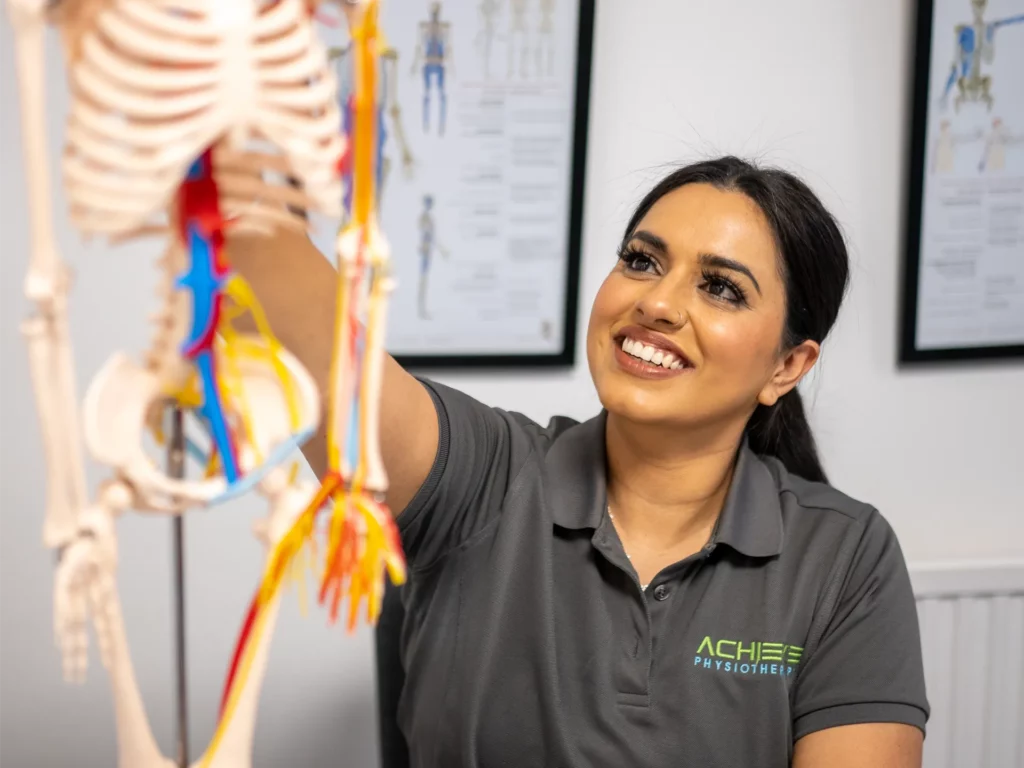
The key is knowing what kind of rest and what kind of movement your body needs; and that’s where professional assessment matters. – Achieve Health
Expert Movement-Based Recovery at Achieve Health
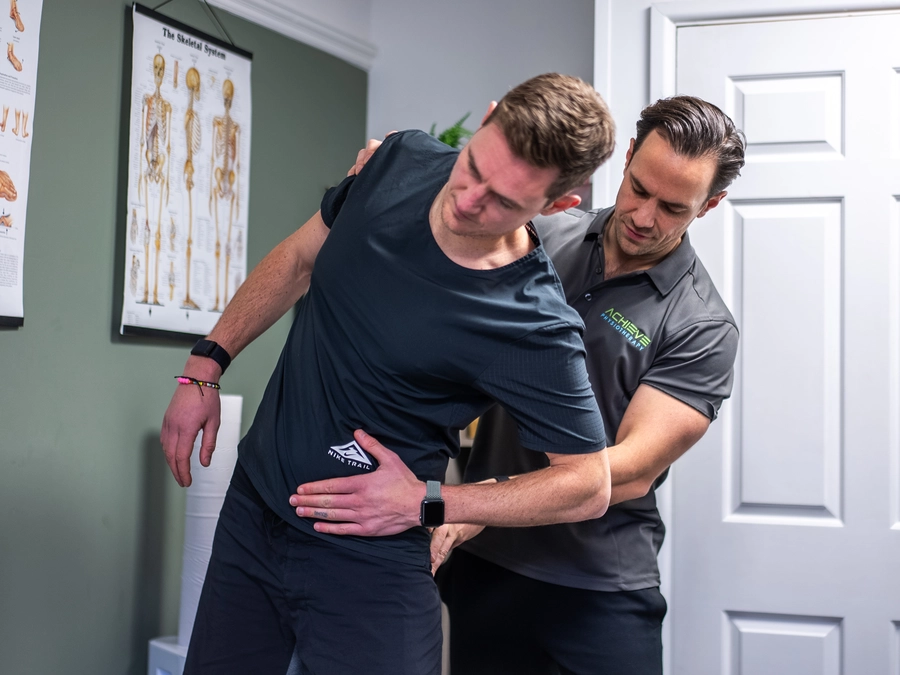
Our physiotherapy team in Solihull and Birmingham specializes in movement-led rehabilitation, helping patients rebuild confidence, strength, and mobility safely after injury. We combine manual therapy with guided exercise, ensuring that every patient moves at the right pace for their recovery.
If you’re unsure whether to rest or move after an injury, book an assessment at your nearest Achieve Health Physiotherapy clinic in the Midlands. We’ll help you find the right balance—so you can get back to moving, living, and thriving again.
Suggested Useful Media and References we’d recommend checking out!
Physio REHAB YouTube Channel This channel provides free, evidence-based physiotherapy exercises and education for various injuries, including back pain and post-surgery rehab.
We and our partners, including Google, use cookies and personal data to analyse traffic and for ads personalisation and measurement. You can accept, reject or choose which cookies to allow.
Privacy Policy
• Cookie Policy
• Terms & Conditions
• Google Privacy
Customise Consent Preferences
We use cookies to help you navigate efficiently and perform certain functions. You can choose which categories to allow below. Cookies categorised as Necessary are always active.
We also use third-party cookies for analytics and advertising. These are only stored with your consent. You can update or withdraw consent at any time via the cookie icon at the bottom-left. This site operates under UK GDPR, the Data Protection Act 2018, and the Privacy and Electronic Communications Regulations (PECR). Cookie Policy • Privacy Policy
Always Active
Necessary cookies are required for core site features including security, network management, and consent storage.
Cookie
Duration
Description
hmdg_cookie_consent
180 days
Stores your cookie consent preferences.
PHPSESSID
Session
WordPress session identifier.
wordpress_logged_in_*
Session
WordPress login authentication.
Functional cookies enable enhanced features such as live chat and remembering preferences.
Cookie
Duration
Description
wp-settings-*
1 year
Stores user interface preferences.
Analytics cookies help us understand visitor behaviour. Controls analytics_storage for Google Analytics 4.
Cookie
Duration
Description
_ga
2 years
Google Analytics — distinguishes users.
_ga_*
2 years
Google Analytics 4 — session persistence.
_gid
24 hours
Google Analytics — distinguishes users.
_gat
1 minute
Google Analytics — throttles request rate.
Performance cookies collect aggregate, anonymous data about site performance.
Cookie
Duration
Description
_gat_gtag_*
1 minute
Google Tag Manager — rate throttle.
Marketing cookies track visits to deliver relevant ads. Controls ad_storage, ad_user_data, and ad_personalization.