
Your Guide from Achieve Health – Solihull & Birmingham Physiotherapy Clinics
Whether it comes on suddenly, builds slowly over time, or flares during sport or daily tasks, shoulder issues can make even simple movements difficult.
Many people search online for “Shoulder pain” or “Shoulder physio”, but are unsure when they actually need professional physiotherapy. This guide breaks down the key signs, causes and next steps so you know when it’s time to seek expert help!
Why Is Shoulder Pain So Common?
The shoulder is the most mobile joint in the body — but that mobility relies on a very delicate balance of muscles, tendons, and stabilising structures.
Because of this, shoulder pain can develop due to:
- Rotator cuff injuries
- Bursitis
- Tendinopathy
- AC joint irritation
- Labral tears
- Postural overload
- Neck-related shoulder pain
- Arthritis
- Overuse from sport or gym training
- After-effects of previous fractures or surgery
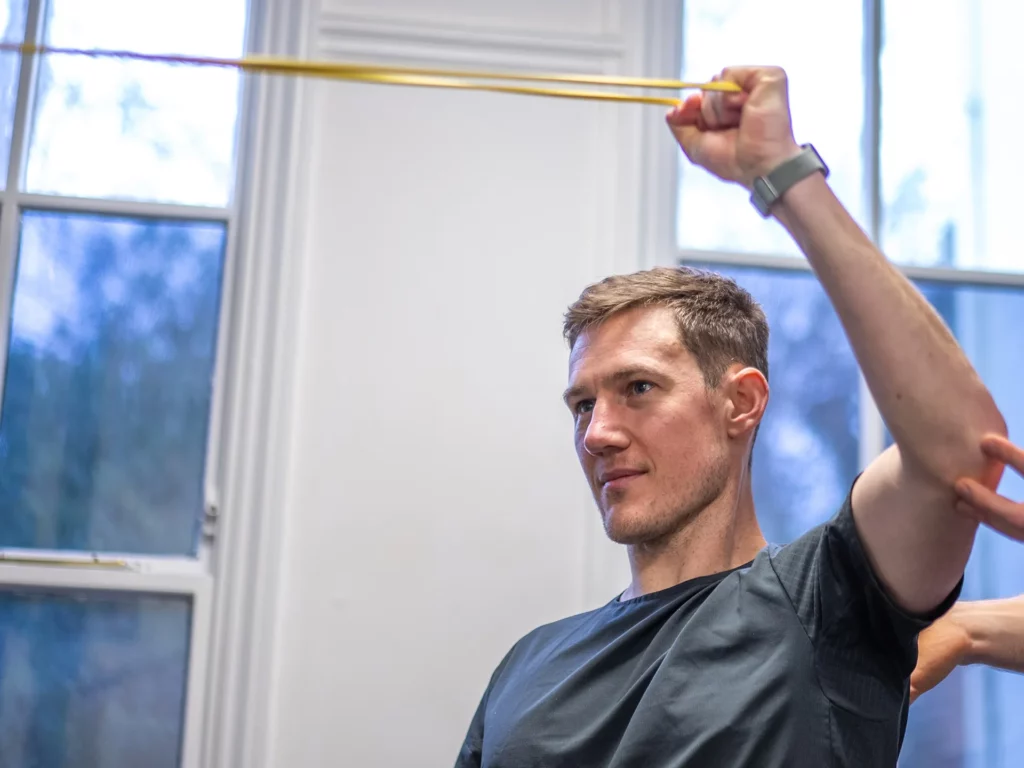
At Achieve Health in Solihull High Street and Birmingham, we regularly see patients with a combination of these issues.
Signs You Should See a Physiotherapist
1. Pain lasting more than 2–3 weeks
If your shoulder pain isn’t settling, worsening, or becoming more frequent, an assessment is recommended.
2. Pain radiating into the arm, neck or shoulder blade
This can indicate nerve irritation, rotator cuff dysfunction, or cervical involvement — all treatable with the right physiotherapy approach.
3. Difficulty lifting the arm or reaching overhead
Classic with rotator cuff tendinopathy, impingement, or stiffness.
4. Night pain
If lying on your side or turning in bed is uncomfortable, you’re likely dealing with inflammation or overload.
5. A recent injury or “pull”
Even small movements — lifting shopping, reaching into the back seat, throwing in sport — can flare shoulder structures.
6. Weakness, catching, or instability
Feeling like the shoulder “catches”, “snaps” or “gives way” suggests the need for targeted rehab.
7. Post-surgery or post-fracture recovery
How Physiotherapy Helps Shoulder Pain
At Achieve Health, shoulder rehabilitation is one of our specialist areas. Our treatment plans combine assessment, manual therapy, movement retraining and strength rehabilitation to address the root cause — not just the symptoms.
Your treatment may include:
- Soft tissue therapy
- Joint mobilisation
- Rotator cuff and scapula strengthening
- Posture and biomechanical correction
- Manual therapy for neck-related shoulder symptoms
- Exercise programmes tailored to sport, gym or daily tasks
- Return-to-sport protocols
- Education to reduce flare-ups and speed recovery
We also work closely with imaging centres to arrange private MRI or ultrasound when needed — especially for persistent rotator cuff or labral issues.
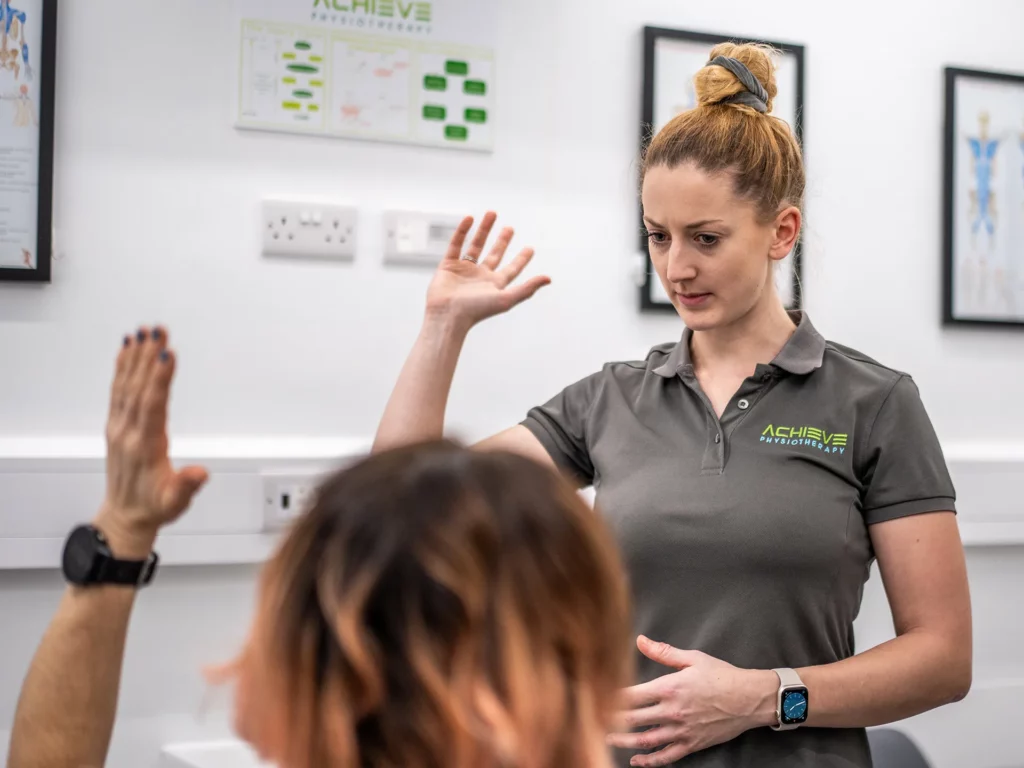
When Imaging (MRI or Ultrasound) Is Helpful
Imaging is useful when:
- symptoms persist beyond 6–8 weeks
- there is significant weakness
- a tear is suspected
- night pain is severe
- surgery is being considered
- there is a history of previous fractures or instability
Our Solihull and Birmingham physiotherapists regularly refer patients for private imaging where appropriate.
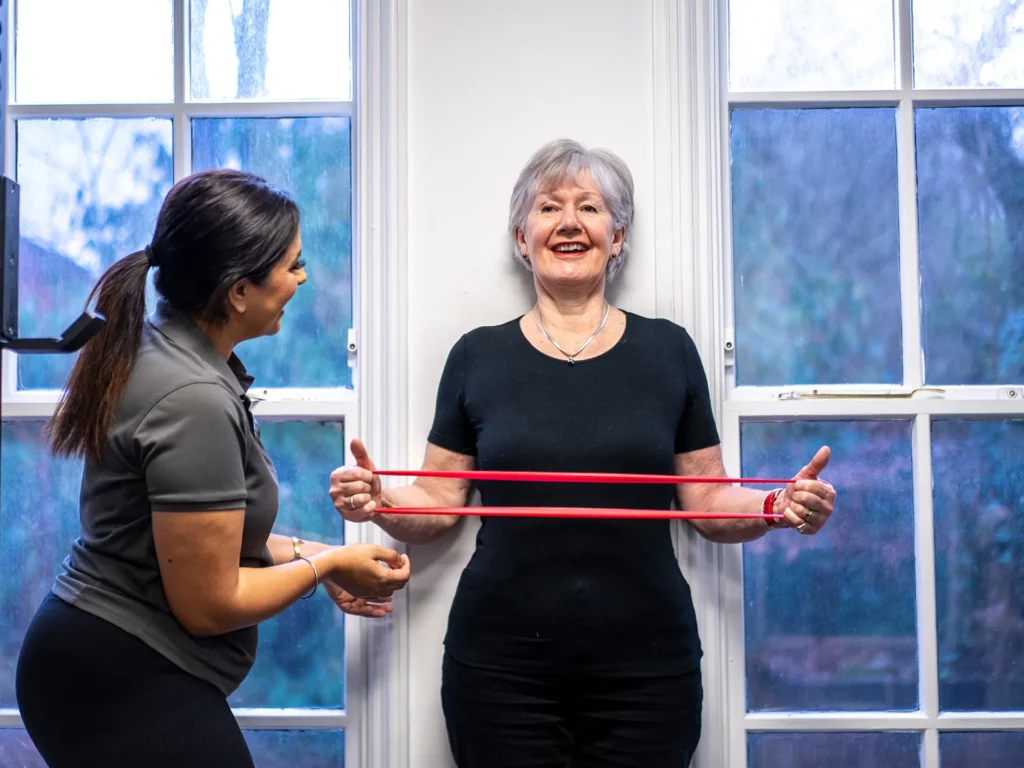

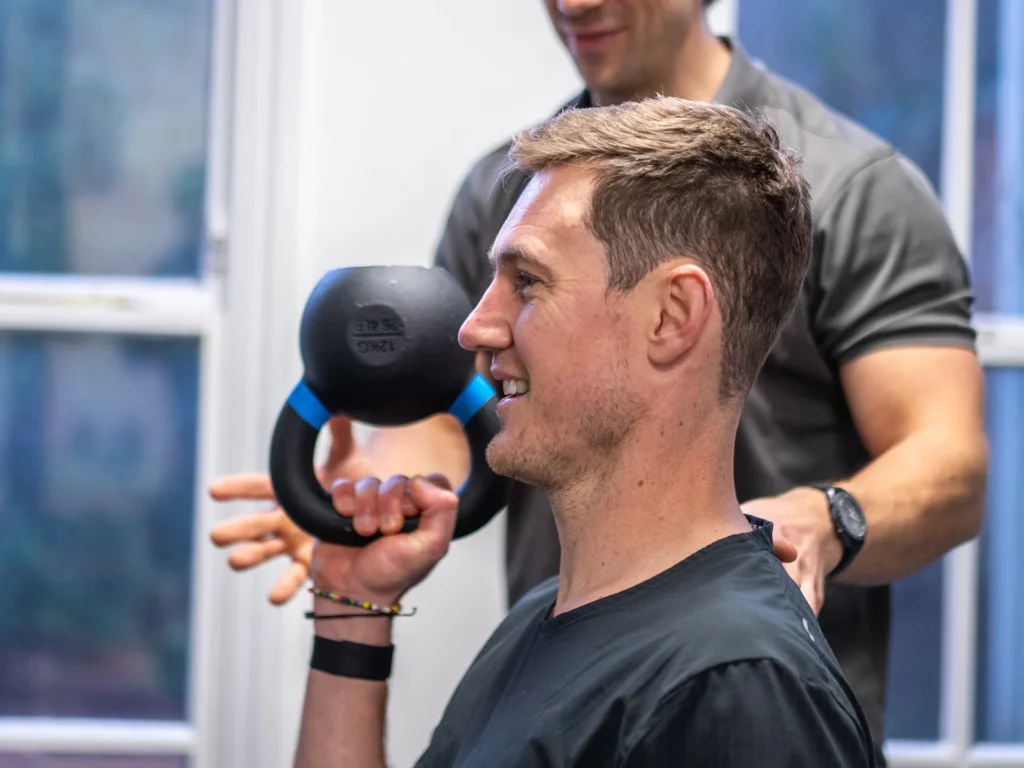
Book Shoulder Physiotherapy in Solihull or Birmingham
If shoulder pain is affecting sleep, work, lifting, training, sport, or daily movement, physiotherapy can prevent it becoming a long-term issue.
Left untreated, shoulder problems often:
- become stiffer
- take longer to treat
- develop compensations in the neck and back
- affect strength and confidence
Early assessment makes recovery easier and quicker.
Whether it’s a new injury, long-standing pain, or post-surgery recovery, our physiotherapists can help you move better, strengthen efficiently, and get back to the activities you enjoy.
Achieve Health is proud to provide high-quality shoulder physiotherapy for:
The wider West Midlands
Solihull
Birmingham
Edgbaston
Kings Heath
Shirley
Knowle
Dorridge
Sutton Coldfield
Extra content!
- Shoulder Pain | NHS
Official NHS video explaining causes of shoulder pain, simple self-help strategies, and when to seek expert help.
- NHS – Shoulder pain
Core national guidance on causes, self-care, red flags, and when to get medical help or further assessment.